
Surviving Christmas as a Midlife Woman…
If you’re a midlife or menopausal woman, Christmas can feel like a mixed bag of magic and mayhem.
Even if you genuinely love this time of year, the season has a habit of adding extra tabs to the mental browser: gifts, food, social events, family politics, sleep disruption, school concerts, house guests, and the constant expectation to be the calm, glowing centre of it all. Menopause doesn’t hit pause for Christmas, and sometimes even the most cheerful festive plans can feel overwhelming.
We sometimes describe menopause as “running ten tabs in your brain at all times”—and December simply opens ten more.
So here’s a kinder, more realistic guide to actually feeling okay during Christmas, without needing superhuman levels of resilience.

Accept that Christmas isn’t all joy, all the time…
The most liberating thing you can do is acknowledge that Christmas is stressful, even when it’s happy, and even when you’re good at it.
The pressure to feel constantly festive can be exhausting, especially when your hormones are already making mood, energy, and patience less predictable. You’re not failing if the chaos feels a bit too chaotic. You’re human, you’re midlife, and you’re carrying a lot. Allowing yourself to recognise that truth takes an enormous amount of pressure off.

Be honest about how alcohol affects you….
A lot of women feel blindsided by how much more sensitive they become to alcohol at this stage of life. Alcohol interferes with sleep, triggers hot flushes, and can cause significant mood dips a day or two later. The combination of alcohol, sugar and late nights often leads to disrupted sleep, which then ripples into anxiety, irritability and that “can’t cope” feeling the next morning.
This doesn’t mean you can’t enjoy a glass of something festive—it just means you may need to approach it differently.
Eating beforehand, keeping hydrated, pacing yourself, and planning a gentle start the next morning all go a long way. It also helps to know exactly which drinks tend to derail you and which ones you tolerate better. And remember: you are never obliged to drink just because you’re at a drinks party. Having a simple, rehearsed response ready—“I’m pacing myself tonight” or “I’m not drinking just now, thanks”—can remove that awkward moment when someone thrusts a prosecco into your hand.

Prepare for hot flushes…without overthinking them…
Social gatherings can be a perfect storm for hot flushes: warm rooms, crowded spaces, alcohol, nervousness, and layers of party clothes. If you’re prone to flushing, the most effective strategy is often the simplest—dress in layers and position yourself somewhere with access to cooler air. One thing you shouldn’t do is adjust your HRT dose just for a party. It won’t prevent a flush and can lead to unwanted side effects like bloating, bleeding or breast tenderness.
If your brain fog shows up at the worst possible moment in conversation, you’re not alone. A light comment such as “My menopause brain has left the chat” is usually met with instant understanding. And truly—whatever awkward moment you’re replaying in your mind afterwards? Nobody else is thinking about it.
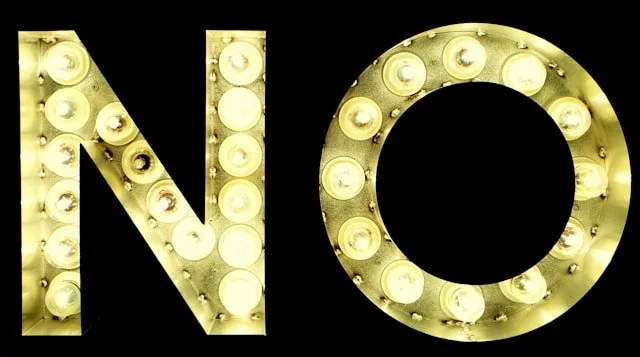
Get comfortable with saying ‘no’…..
This is one of the most powerful tools for surviving December. You do not have to attend everything you’re invited to.
You don’t have to “keep up,” and you don’t owe anyone a festive performance. Saying no creates space for rest, for the things that genuinely matter to you, and for the energy you need to get through the season without feeling wrung out. Many midlife women discover that the moment they start saying no, Christmas becomes noticeably calmer and more enjoyable.
Keep your HRT routine realistic, if not perfect…
Christmas has a way of scattering routines. Medication gets forgotten, schedules are thrown, meals get later, and bedtime becomes unpredictable. Try not to panic about taking things at the exact perfect moment. Missing an occasional dose is not the end of the world. If you forget, simply carry on with your normal routine without doubling up. And although micronised progesterone can make some women drowsy, you don’t need to stay awake until 1am waiting for an empty stomach—do your best and be gentle with yourself.
It’s also helpful to order medication early. Pharmacies are absolutely overwhelmed in December, so getting ahead of your prescriptions can prevent stressful last-minute scrambles. And if you notice light, unexpected bleeding during the festive period, it usually isn’t urgent unless it’s heavy or accompanied by significant pain. Most things can wait until after the holidays to be checked.

Acknowledge the additional emotion weight that Christmas can carry with it….
For many women, Christmas brings mixed feelings. It can be lonely, or a reminder of people who are missing. It can stir grief, highlight relationship tensions, or make certain memories feel closer to the surface. If this is true for you, know that you are far from alone. You are allowed to shape Christmas into something emotionally manageable—whether that means planning a quiet day, choosing who you see, or removing expectations altogether.
If your mood dips more deeply than you expected, or if you feel unable to cope, support services like NHS 111 or the Samaritans are there throughout the holidays. It’s okay to reach out.

Protect your bladder and vaginal health…
The “classic Christmas UTI” is well known among clinicians. Dehydration, more alcohol, more sex, disrupted sleep, and forgotten vaginal oestrogen all create a perfect storm. If you’re prone to UTIs or vaginal dryness, keep your routine going throughout December. Hydrate well, use vaginal estrogen and lubricant, and try to look after your pelvic health even when everything else feels chaotic. Sometimes it’s these small, quiet habits that make the biggest difference.
To have a Merry Christmas….
This is not the time for perfection. It’s a time for compassion, boundaries, preparation and realism. Eat before you go out if it helps. Bring layers. Have a friend who knows when to rescue you. Keep your expectations gentle and your plans flexible. Let go of the idea that you need to be operating at 100% to make Christmas “work.” You don’t.
You just need to make it through the season in a way that protects your health, your emotional well-being, and your energy.
Christmas doesn’t need a perfect version of you. It needs the real one.

All images available license free from Unsplash - click on the image to see photographer’s details
