
Lifestyle & Alternative Treatments for Menopause
Evidence-based advice & guidance
For many women, hormone replacement therapy (HRT) is the most effective way to manage menopausal symptoms. However, some women are unable to take HRT for medical reasons, and others choose not to.
At Clinic51, we support every woman in making the choice that’s right for her – by explaining the options and giving advice, guidance and support. There is no “one-size-fits-all” approach to menopause care, and there is certainly no judgement.
This guide explores evidence-based lifestyle changes and non-hormonal treatment options recommended by the British Menopause Society (BMS) and NICE (National Institute for Health and Care Excellence) that may help ease some of the most commonly experienced symptoms such as hot flushes, sleep disturbance, mood changes, joint pain, weight gain and so on.
Evidence-based Non-Hormonal Treatments
Cognitive Behavioural Therapy (CBT)
CBT has been shown in clinical trials to reduce the distress caused by hot flushes and night sweats, and to improve sleep and mood. It does not remove symptoms but helps the brain respond differently to them.
NICE recommends CBT as an effective first-line option for women who cannot or choose not to take HRT.
Non-Hormonal Prescription Medications
Some medicines, originally developed for other conditions such as depression, blood pressure, and even painkillers, can help with vasomotor symptoms (hot flushes and night sweats). You can find more information on the range of medications that your doctor may suggest, in our post on hot flushes, here.
Vaginal & Sexual Health Support
For women with vaginal dryness, discomfort, or urinary symptoms, vaginal moisturisers and lubricants can be very effective. NICE recommends these as first-line treatments. We recommend irritant chemical free products such as hydromol / cetraban ointment for your vulval area (we also produce our own natural vulval balm) and YES for vaginal moisturisers and lubricants.
Some women may also be suitable for local vaginal oestrogen, which is not classed as systemic HRT, and is considered safe even for many women who cannot take regular HRT. This will always be discussed on an individual basis.
Complementary & Alternative Therapies

Many women explore herbal or natural remedies, and it’s important to know what the evidence shows.
Isoflavone supplements: natural plant-based oestrogen - not as strong as HRT but can be effective. These are not suitable if you have had a hormone dependent cancer.
Black cohosh, sage, red clover & evening primrose oil: studies show mixed or limited benefit.
It’s important to say that, although they are natural, herbal products are still potent, and can interact with medicines or affect the liver, so always discuss them with a doctor.
The British Menopause Society advises caution with any unregulated supplement claiming to “balance hormones” or “cure menopause”. Natural does not always mean safe!
Acupuncture – some women report improvement in hot flushes and mood; research shows variable but promising results for selected symptoms.
Mind–Body Therapies – yoga, meditation and mindfulness have supportive evidence for stress, sleep and emotional wellbeing.
Lifestyle
Paying attention to how we eat, move, sleep and look after our emotional health is not only important in menopause – it is the most important thing we can do to look after our long-term health. So looking at lifestyle factors is a really good place to start – whether you are taking HRT or not. Any improvements made here will be far reaching.
Nutrition
A balanced diet can help support overall health during menopause, especially as metabolism and body composition change.
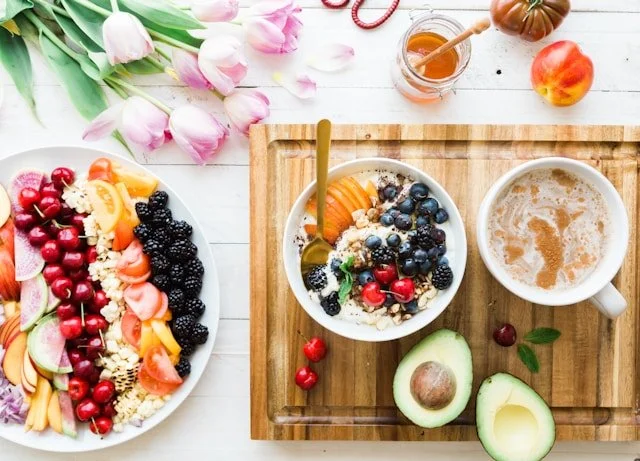
· Aim for a Mediterranean-style diet: vegetables, fruit, wholegrains, lean protein, nuts, seeds and olive oil
· Avoid ultra-processed foods, excess sugar and alcohol
· Include calcium and vitamin D sources to support bone health
· Consider plant phytoestrogens (e.g. soy, flaxseed, chickpeas) – research shows they may have mild benefit for some women, though effects are not as strong as HRT
NICE acknowledges that healthy eating and maintaining a healthy weight can help reduce symptoms and long-term risks such as cardiovascular disease and osteoporosis.

Exercise & Movement
Regular physical activity has proven benefits for hot flushes, mood, sleep quality, heart health and bone strength.
· Combine cardio (e.g. brisk walking, swimming, cycling) with strength/resistance training
· Include balance and flexibility work (yoga, Pilates, tai chi)
· Even light movement, such as walking is better than long periods of sitting
Research shows exercise does not eliminate symptoms entirely, but can significantly improve wellbeing, mood and overall symptom tolerance.
Sleep
Sleep disruption is one of the most common menopausal concerns.
· Keep a cool bedroom and choose layers of natural fibre bedding
· Avoid screen time and dim the lights in the hour before bed
· Keep consistent sleep and wake times
· Limit caffeine and alcohol, especially later in the day
Mind–body techniques (breathing, relaxation apps, stretching, CBT for insomnia) have a growing evidence base and are recommended by NICE.
Emotional Health
We have to feel that living in a constant state of stress is normal, thanks to leading busy lives, being in constant communication, and the pressures of digital & social media. Stress is a normal part of life, but excessive or chronic stress isn’t good for us.
To manage stress:
· There is good body of evidence that mindfulness & medication practices are extremely powerful in reducing stress
· Breathwork is a powerful tool in calming our body’s systems and reducing the stress hormone, cortisol
· Exercise – almost any form releases endorphins, just be careful to follow higher intensity workouts with something calming such as yoga or a walk, to avoid increasing cortisol levels
· Spend time with those you love (and not with those you don’t) - this allows us to feel safe and supported, which in turn reduces stress levels.
· Being part of a community- helping and supporting others gives us purpose and is strongly linked to emotional wellbeing (and longevity!)
· Taking time out in nature fosters as sense of relaxation.
· Smiling and laughing feeds back to your body, and that it can relax!
We often neglect our emotional wellbeing. Feeling sad and joyless is not normal or OK. It is just as important to seek help with your emotional state as it is with any other aspect of health; talk to your GP or seek the help of a registered therapist
A Holistic, Personalised Approach
Menopause is a long-term health phase, not a short-term event. The most effective care looks at:
Physical health
Emotional wellbeing
Sexual and pelvic health
Lifestyle habits
Personal goals and preferences
Whether you choose medical treatment, lifestyle-based options, complementary therapies, or a mix, the important thing is that you feel informed, supported and respected.
How we can help….
At Clinic51, your consultation is led by doctors who specialise in menopause care and follow BMS and NICE guidance. We can:
· Review your symptoms and medical history
· Discuss both hormonal and non-hormonal options
· Provide lifestyle and nutrition support
· Prescribe evidence-based non-hormonal medication where appropriate
· Support your long-term wellbeing plan
There is no judgement, no pressure—just clear advice based on science and your priorities.
If you’d like to discuss your menopause symptoms with one of our doctors, you can book a consultation through our website or by contacting our care team.
You are not expected to “just get on with it”. There are always options.
Written by the medical team at Clinic51, in line with current British Menopause Society and NICE guidance.
All images available license free from Unsplash - click on the image to see photographer’s details
